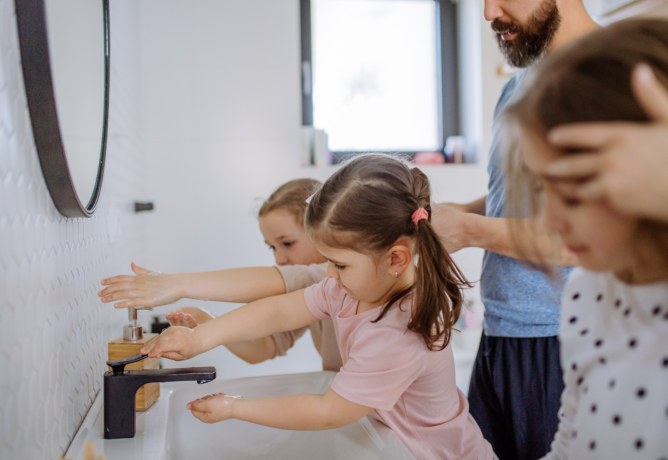
At home, this can be achieved by arranging spaces where children can independently access materials suited to their age and abilities. Simple actions such as low shelves, labeled containers, and child-sized tools encourage exploration and responsibility. This setup allows children to engage in activities without relying heavily on adult direction, reinforcing confidence and independence.
- Encourage Hands-on Learning
Montessori methods emphasize learning through direct experience. Parents can support this by incorporating practical life activities into daily routines. Tasks such as cooking, cleaning, gardening, or sorting household items give children opportunities to develop fine motor skills, problem-solving abilities, and concentration. By observing and gently guiding rather than completing tasks for them, parents allow children to experience accomplishment firsthand. - Promote Self-Directed Study
Children thrive when given the opportunity to choose their activities based on interests. At home, parents can create activity stations or project areas that allow children to select what they wish to explore. Offering guidance rather than instruction encourages curiosity and critical thinking. This autonomy helps children develop intrinsic motivation and a love for learning that extends beyond the classroom. - Integrate Language and Reading
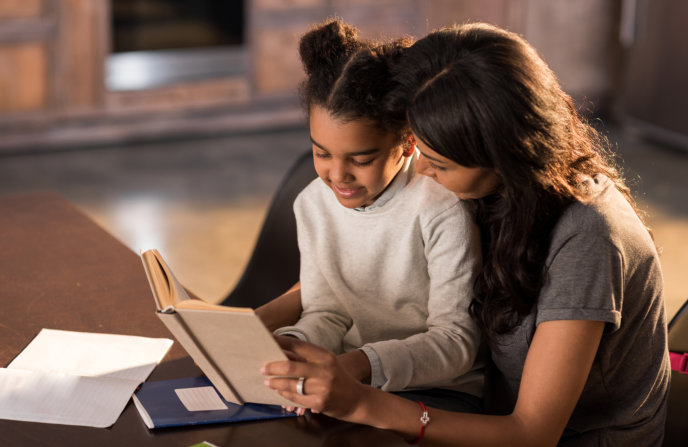
Language development is a cornerstone of Montessori education. Parents can support this by incorporating storytelling, reading aloud, and encouraging children to express ideas verbally or through drawing and writing. Labeling objects, creating word cards, and maintaining a home library provide frequent exposure to language. Such practices help children build vocabulary, comprehension, and communication skills naturally. - Model Respect and Observation
Montessori learning places value on respect, patience, and observation. Parents can exemplify these traits by listening attentively, offering choices, and refraining from unnecessary interruptions. Observing children’s interactions and interests provides insights that help tailor activities to their developmental stage. This approach nurtures self-confidence and a sense of responsibility in young learners.
By implementing these strategies, parents can strengthen Montessori learning beyond the classroom. For more guidance on supporting your child’s development at home, contact us at Montessori Learning Institute today.